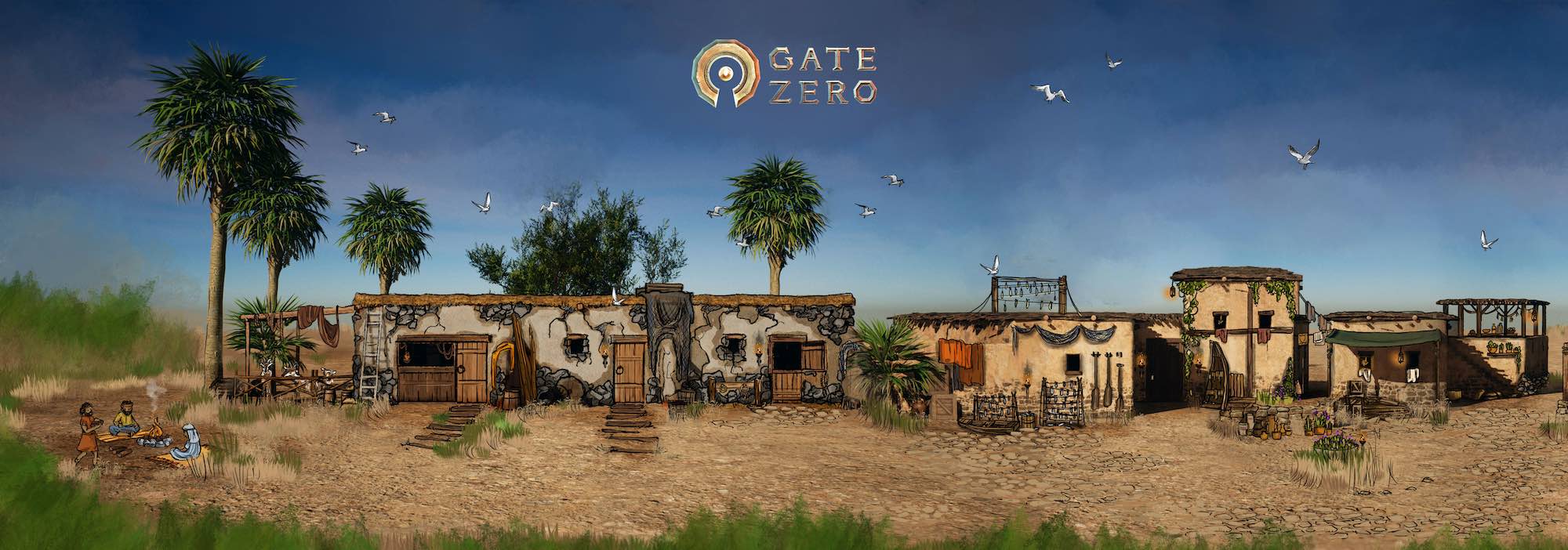
One of our goals with Gate Zero is to fully immerse players in the world of the Bible while creating spaces that support engaging gameplay. To achieve this, we work closely with historians and archaeologists throughout development, shaping gameplay and story ideas through insights from archaeology, geography, and culture.

We spoke with Art Director Bobby Bogdanov, who has several Assassin’s Creed titles under his belt, about how that collaboration works, how it compares to AAA development, and why learning the history behind each location is such a rewarding part of the process.
Q: This project takes place during one of the most documented and sensitive periods in history. Where did you begin when approaching the historical research?
From the very beginning, we knew that historical research couldn’t be treated as a background task—it had to be a core pillar of the project.
Our goal is to create a world that feels authentic to the time of Jesus while still connecting with modern players. That means grounding every artistic decision in credible research, while also being conscious of pacing, readability, and visual appeal for both younger and adult audiences.
We started by defining a simple principle: historical accuracy where it matters most, and thoughtful artistic interpretation where the medium demands it. From there, research became a shared, ongoing process rather than a fixed checklist.
Q: What does the collaboration process look like before the art team begins work on a new location?
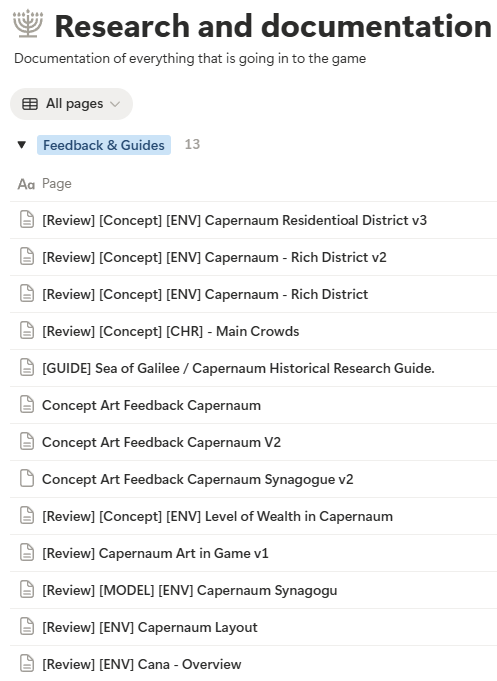
Before we begin any visual development, the process starts with close collaboration with our historian and archaeological consultant. Together we go through an initial research phase where we establish a shared understanding of the site—its historical significance, geographical context, and what is archaeologically known versus what is still open to interpretation.
At this stage, we pay particular attention to mission-specific needs of the game. Certain locations may need to support specific narrative beats, gameplay mechanics, or player flow, so those requirements are discussed openly with the historian. This helps us identify which parts of the site must be recreated with the highest level of historical precision and where there might be room for informed artistic interpretation.
By the time the art team starts building the environment, the goal is to have a strong historical backbone already in place. That way we’re not just designing a visually interesting space—we’re creating a location that serves the story and gameplay flow while staying grounded in real history.
Q: Is this similar to how you worked on AAA games in the past?
In principle, yes. AAA projects also rely heavily on historical research, references, and expert input.
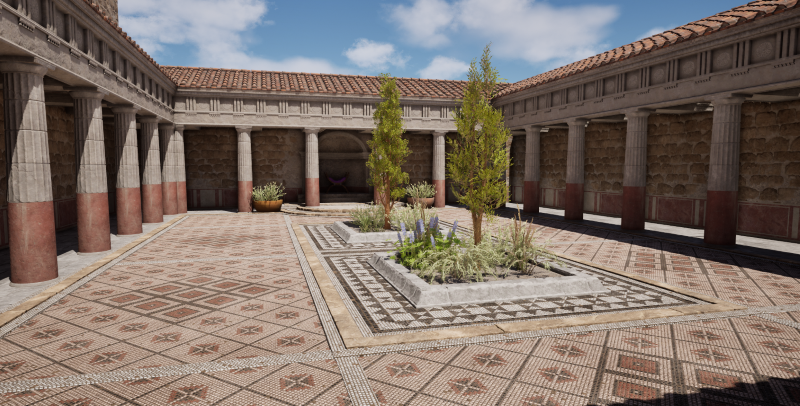
However, the key difference here is how iterative and ongoing the collaboration is. On many large projects, research happens early and then production moves forward with relatively little back-and-forth. On Gate Zero, the process stays fluid throughout development.
As the environments evolve, new questions naturally arise. We revisit assumptions, test ideas, and refine details continuously in dialogue with the historian. This iterative loop allows us to respond quickly to discoveries, gameplay changes, or new interpretations.
That flexibility has been incredibly valuable when working on complex locations like Machaerus, where archaeology, geography, and political context all intersect.
Q: You work closely with archaeological consultant Chris McKinny. How has that collaboration shaped the project?
Chris has been absolutely central to how we approach history in the game. He supports the project with solid, credible archaeological and historical insight, but what really makes the collaboration special is how open and flexible it is.
He’s not just validating facts—he’s actively helping us explore references from the broader historical context across regions and time periods. That perspective allows us to enrich environments in ways that still remain historically grounded.
For example, if we’re drawing from architectural elements found in one location to support an artistic intention in another, Chris helps us determine whether that choice can be historically justified. It becomes less about strict limitations and more about informed possibilities.
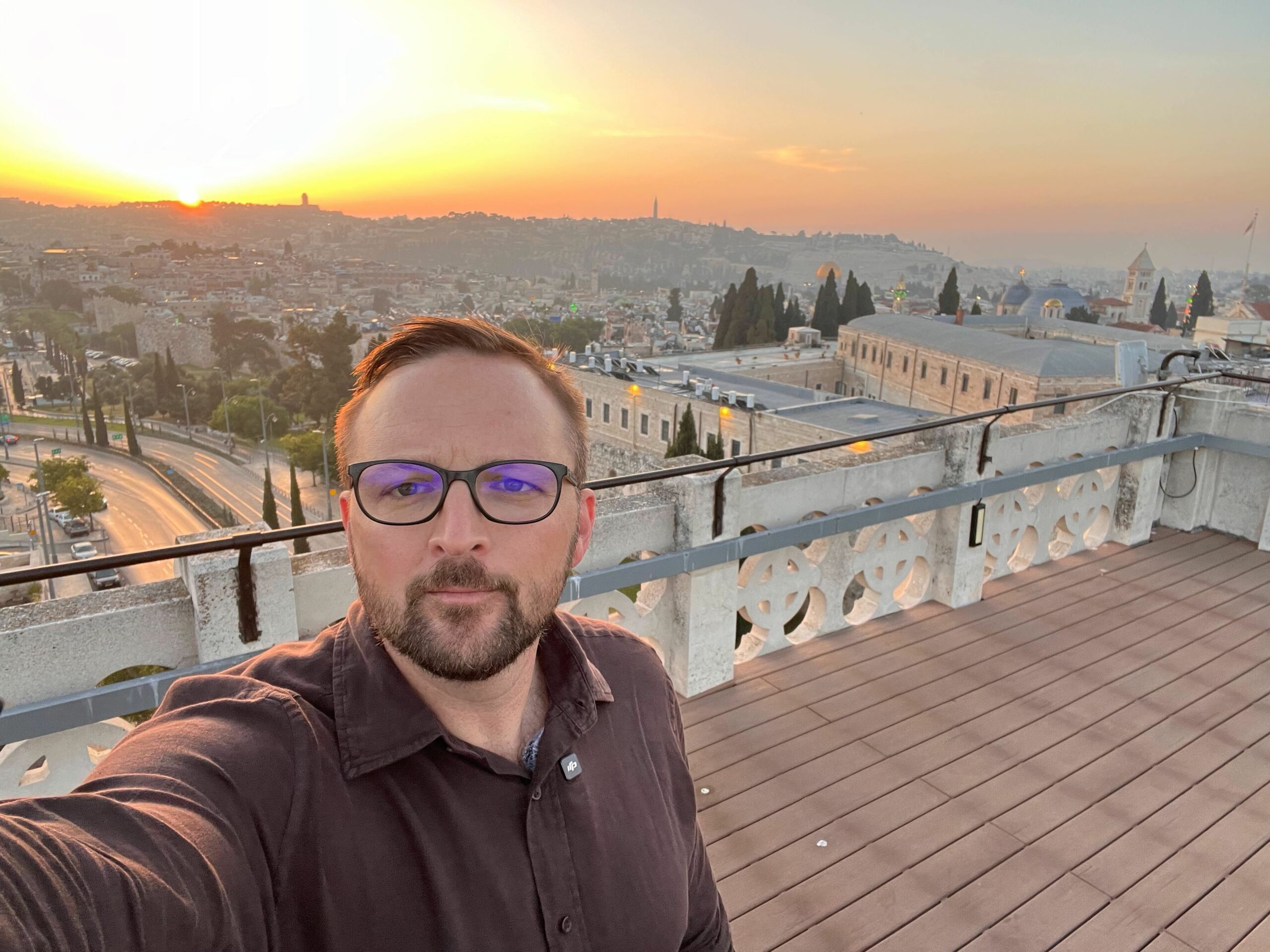
Q: On a personal level, what does working this way mean to you?
Expanding my knowledge—and the knowledge of the entire team—is one of the biggest perks of working with Gate Zero.
Every week, we’re learning something new about the time period, the cultural context, and the events surrounding the life of Jesus. That constant learning feeds directly into the creative process.
It’s deeply rewarding to know that the environments we’re building are informed by real history and real places. Understanding why a location existed, how it functioned, and what role it played in the broader historical narrative gives our work more meaning.
It also creates a stronger sense of responsibility—we’re not just creating spaces for gameplay, we’re interpreting history for a modern audience. That balance between learning, creativity, and collaboration is rare, and it’s what makes Gate Zero particularly special for me and for the team.