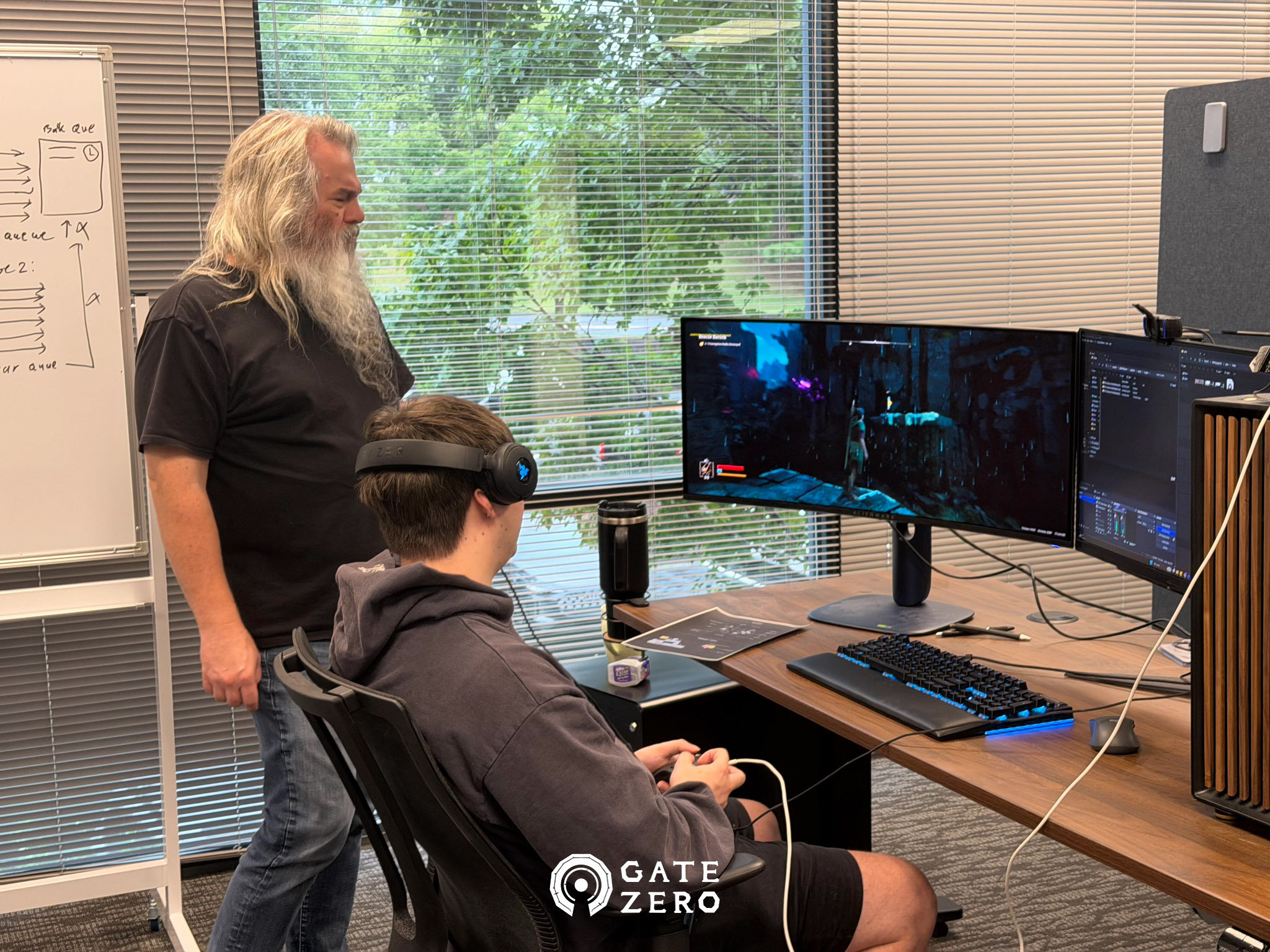
As mentioned in our previous devlog, Gate Zero will make its first audience-facing appearance at Gamescom this year, from August 26-30.
Attendees will experience our latest demo on NVIDIA GeForce RTX 50 Series PCs, giving us the opportunity to showcase Gate Zero at the level of visual quality and performance we’re striving for as we continue to build the game.
Our goal is simple: to create the highest-quality Bible-based video game ever made—and Gamescom is an exciting opportunity to put that ambition into players’ hands.
Bringing Gate Zero to life
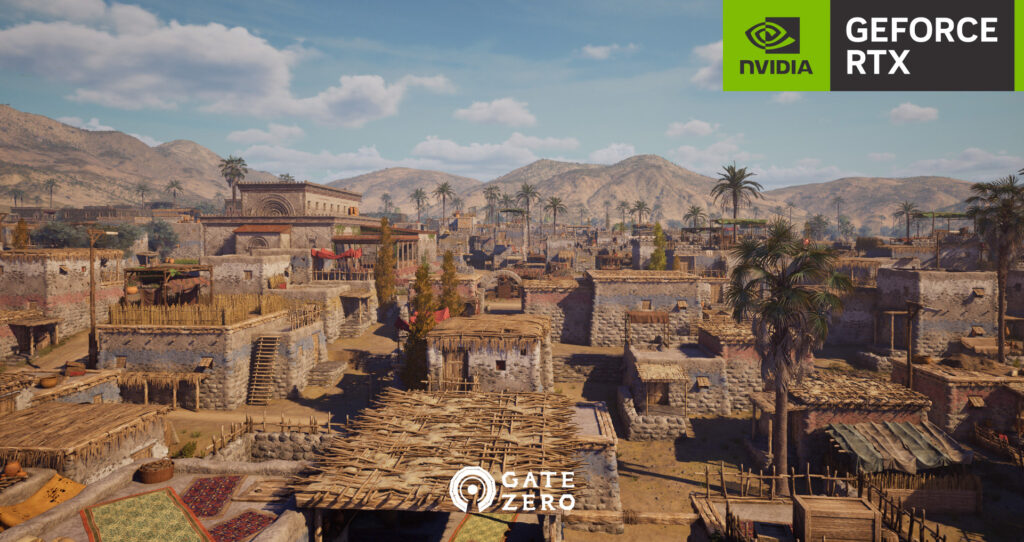
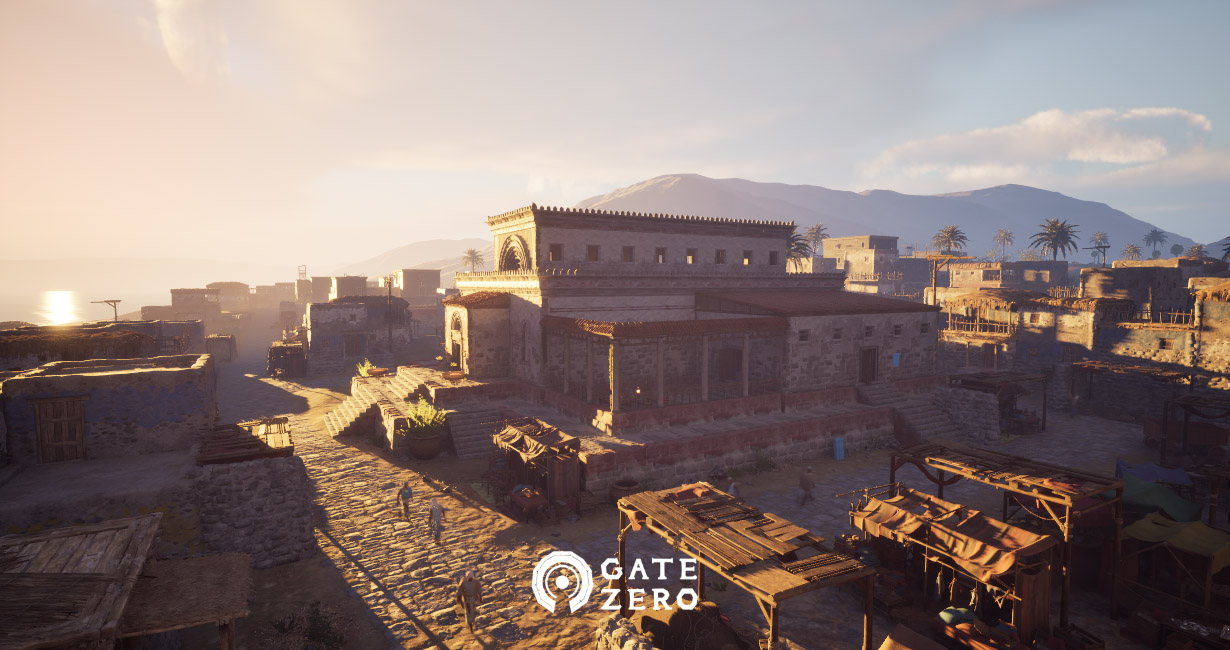
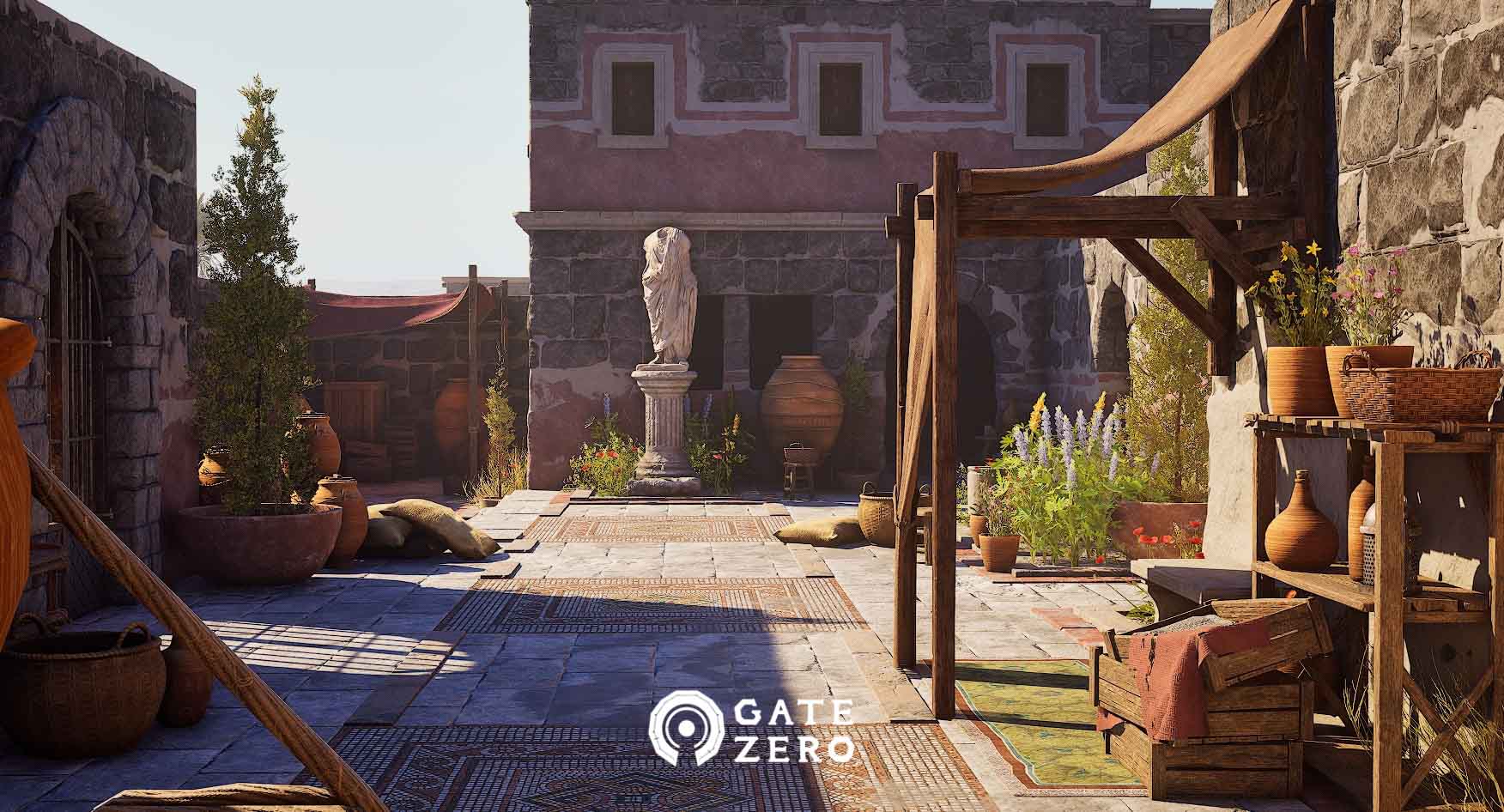
Gate Zero presents some unique challenges when it comes to recreating first-century Israel as a believable and immersive world. From historically accurate locations such as Capernaum and Jerusalem and the surrounding wilderness, every environment needs to feel grounded and alive.
Details matter. The textures of ancient buildings, bustling markets filled with NPCs and conversations, and the way light and atmosphere interact with each environment all contribute to making the world feel authentic.
And then there’s the Eon World.
In contrast to the ancient world, players will also venture into a futuristic environment filled with grit, dampness, and mysterious glowing elements. It’s a very different visual experience, with its own atmospheres, gameplay and narrative waiting to be uncovered.
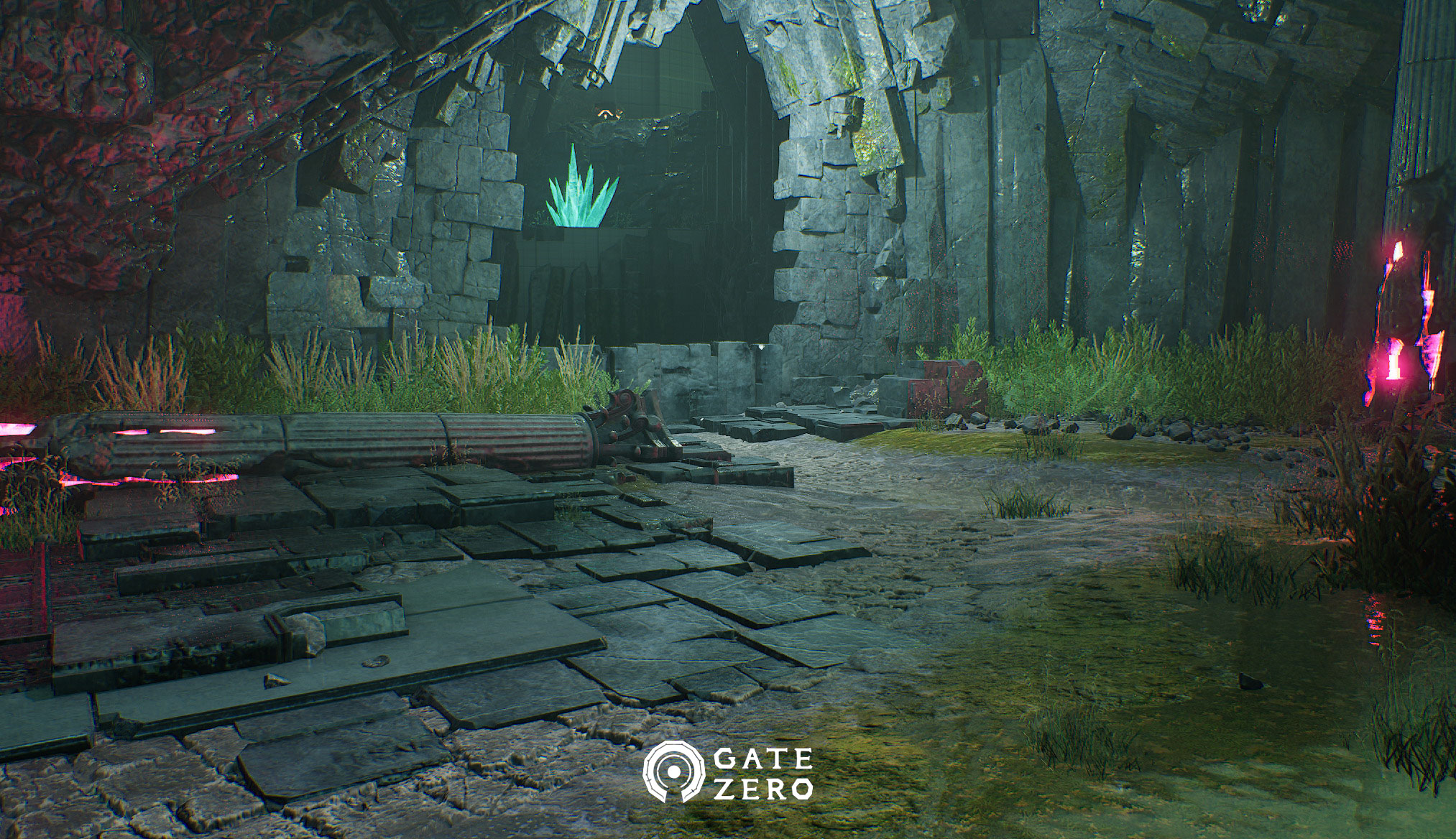
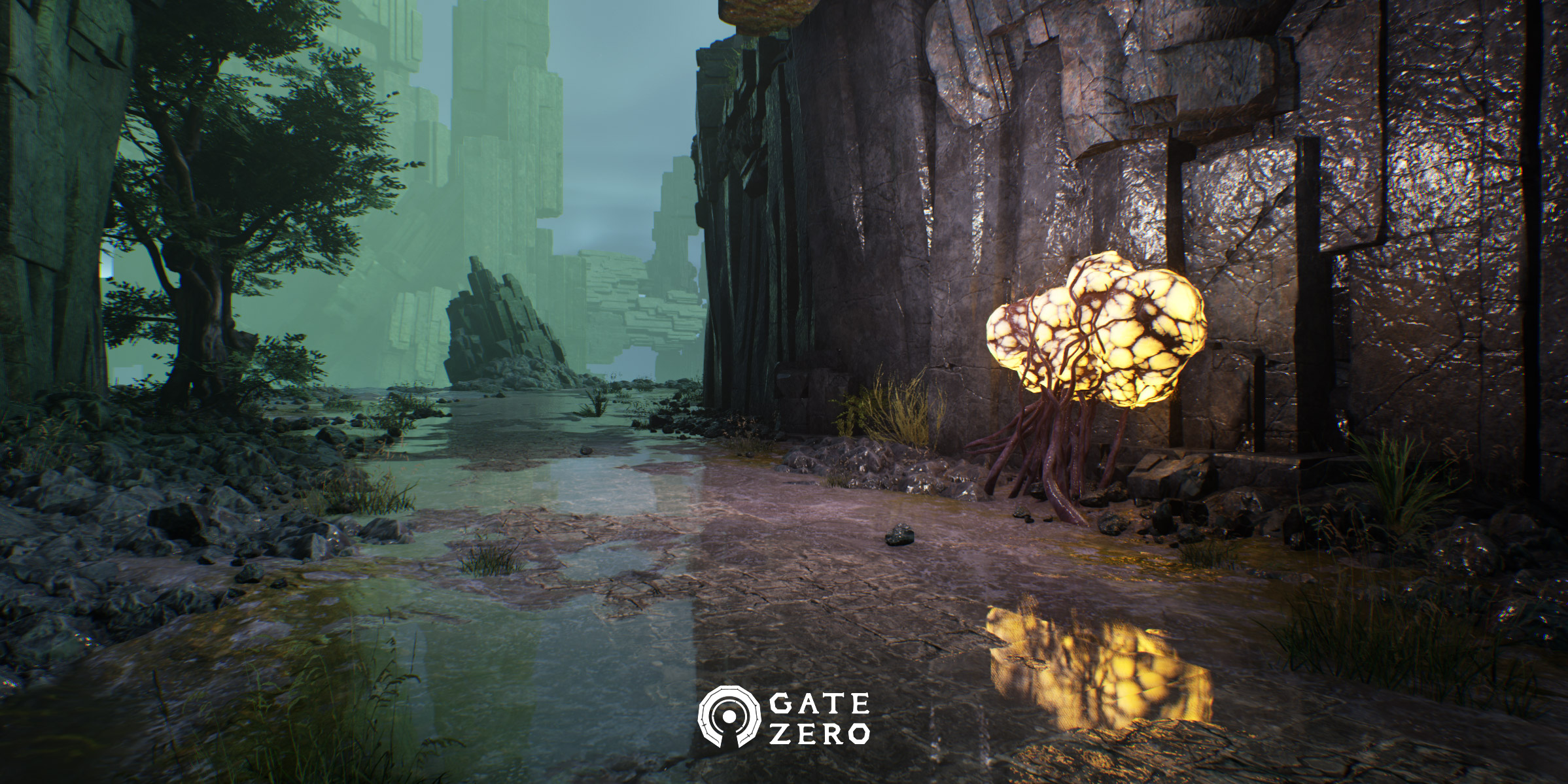
Both worlds demand a lot from the technology behind them.
Built on the graphically demanding Unreal Engine 5, maintaining performance across Gate Zero’s large, explorable environments can be a significant challenge. As our artists push visual quality further—with more detail, complex lighting and richer worlds—the demands on the hardware increase as well.
NVIDIA technology and software help us meet that challenge, allowing our artists and engineers to push visual fidelity further while maintaining the performance needed for a smooth player experience.
For a relatively small team, these technologies give us the tools to take Gate Zero’s visual quality further than we could otherwise achieve.
The technology behind the experience
By leveraging NVIDIA’s ecosystem, we are able to create rich, immersive environments while addressing rendering bottlenecks and optimizing performance.
Ray Tracing
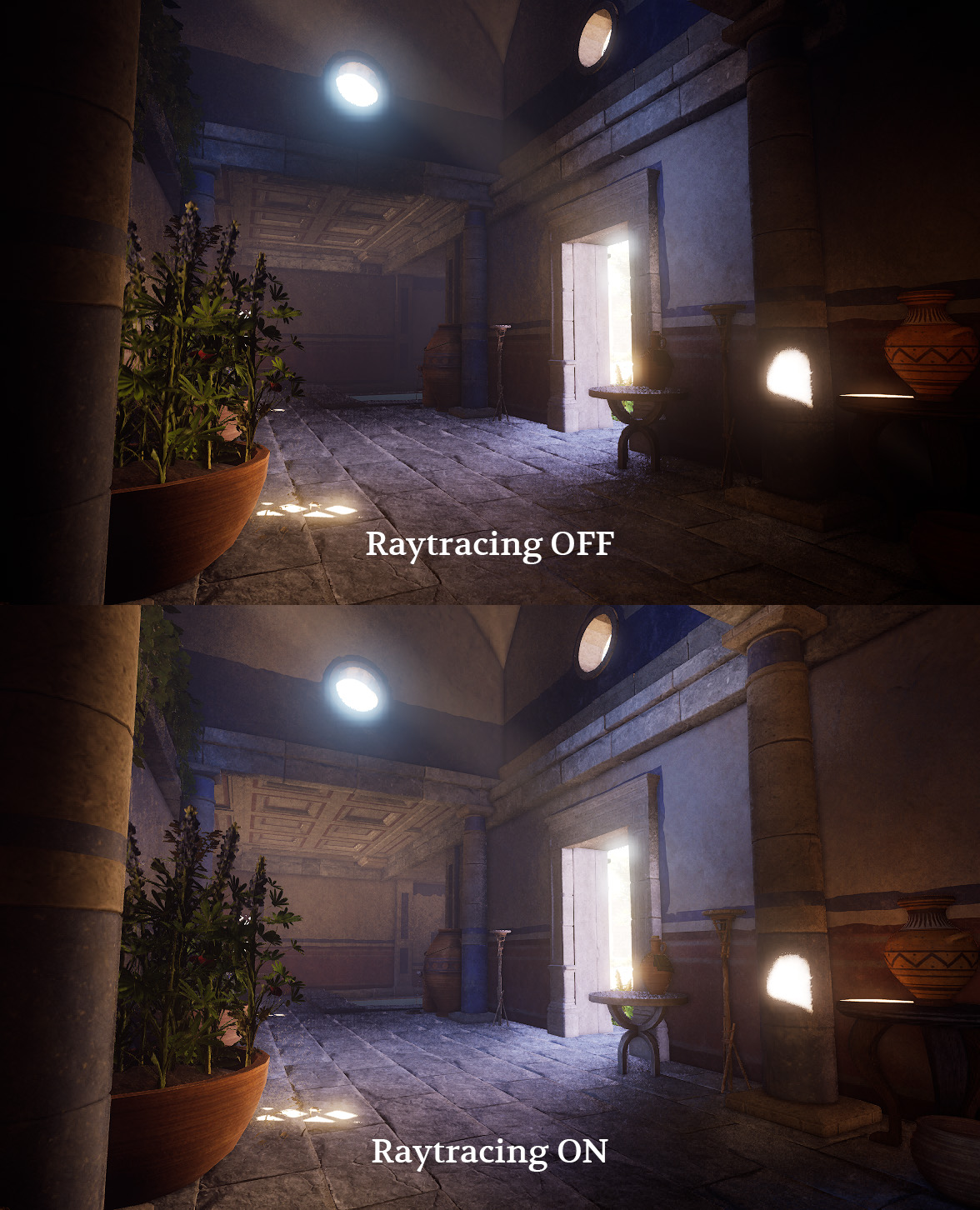
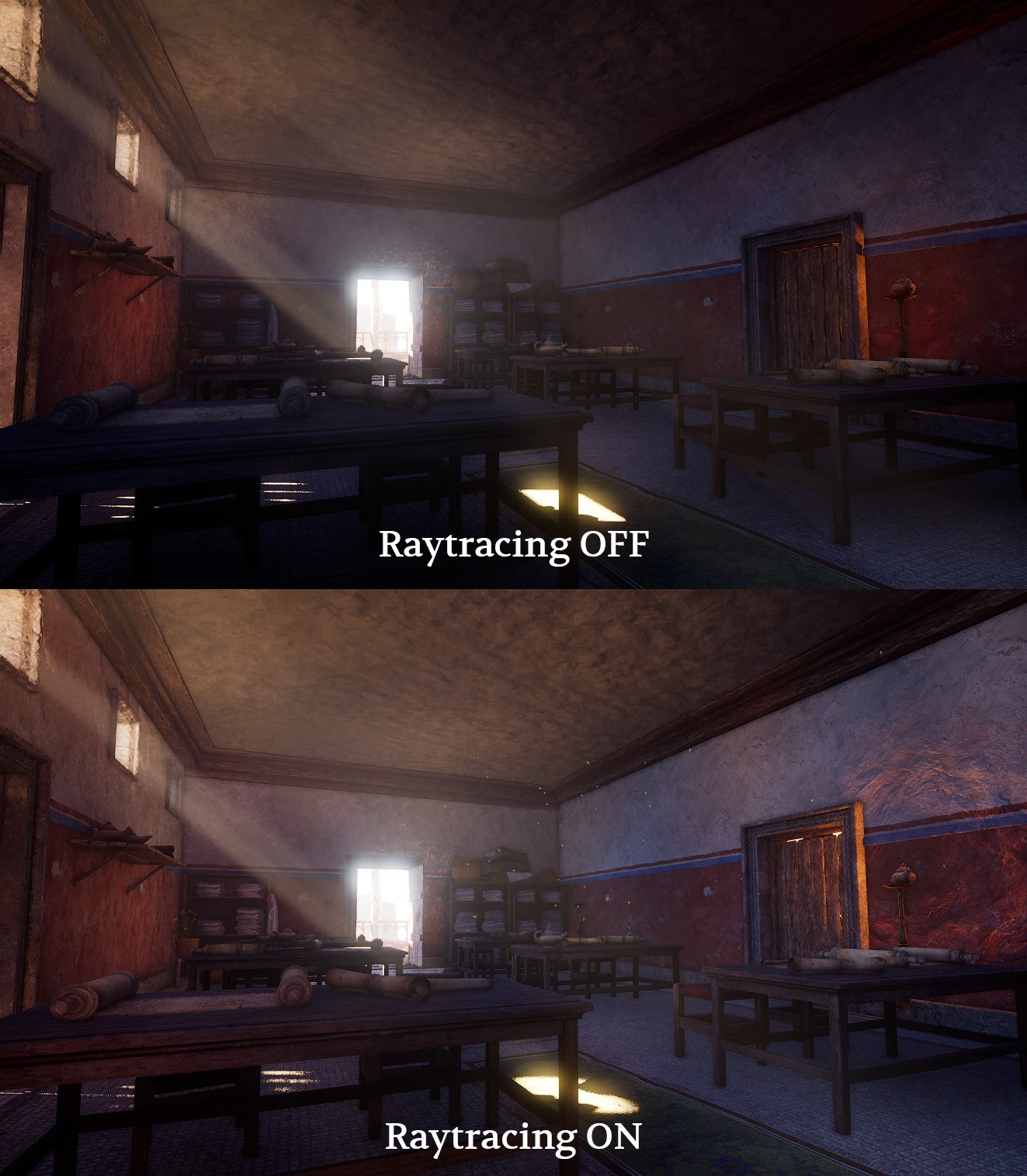
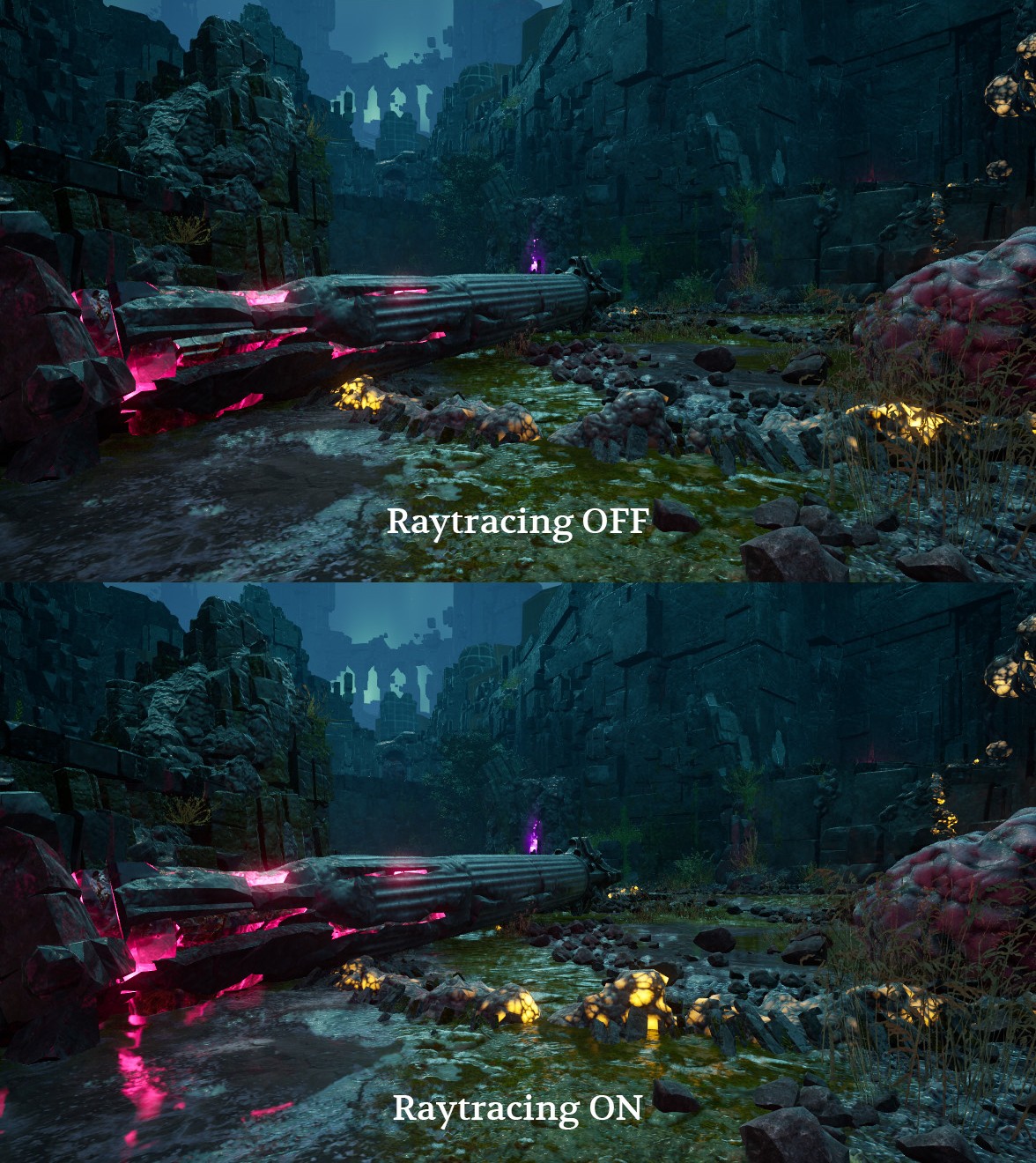
Ray tracing allows us to push realistic lighting and atmosphere even further. NVIDIA technology enables us to utilize hardware-accelerated ray tracing to enhance Lumen global illumination, as well as ray-traced reflections and shadows.
These technologies help create more natural and convincing lighting across Gate Zero’s environments, adding depth and atmosphere to everything from the ancient world to the futuristic Eon World.
NVIDIA DLSS
DLSS gives us the performance headroom needed to achieve a higher level of visual fidelity while accommodating demanding features such as ray tracing.
By integrating DLSS Super Resolution and Ray Reconstruction, the game can render internally at a lower resolution (such as 1080p) and use AI-powered reconstruction to produce a high-resolution final image at 4K, accelerated by NVIDIA’s intelligent AI Tensor Cores.
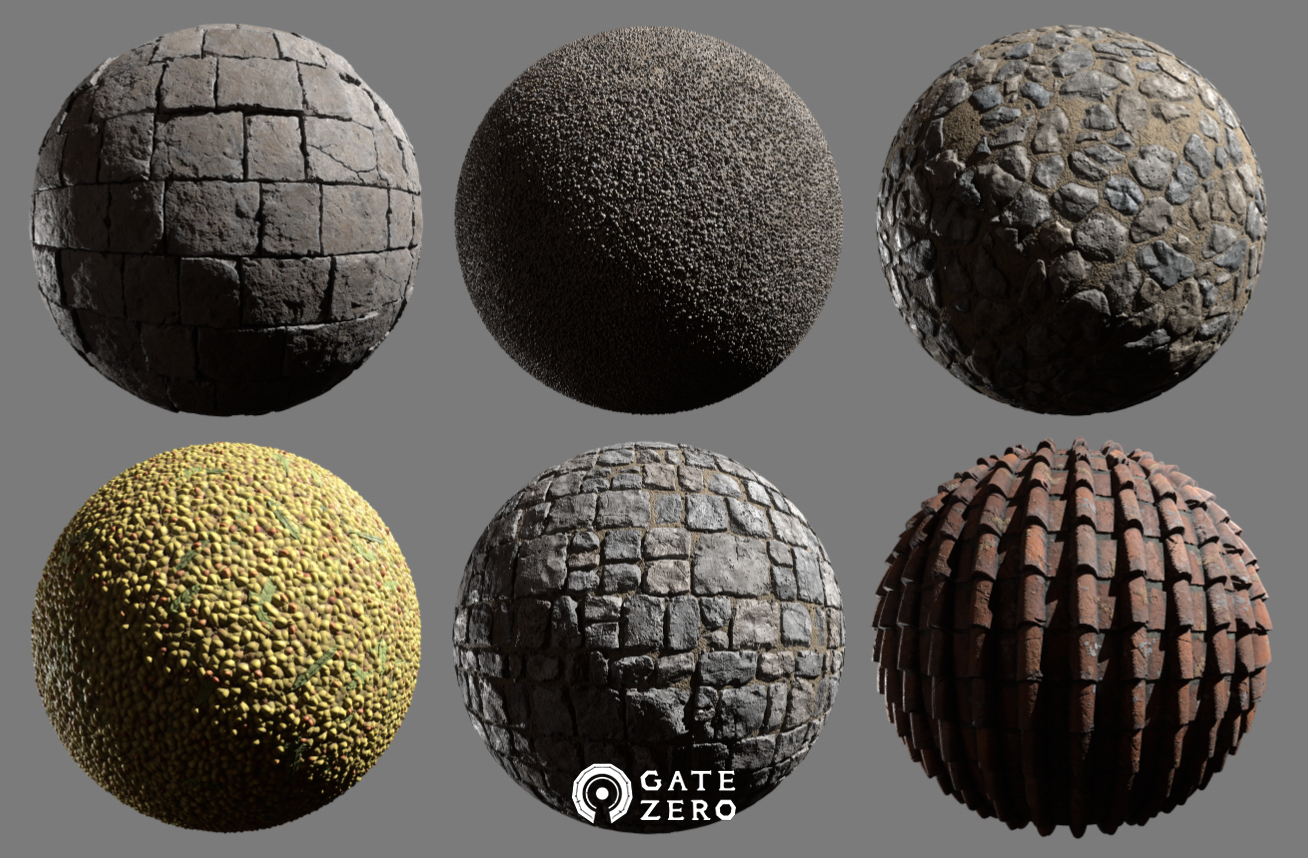
The result is more performance available for the features that matter visually, while these features also preserve the fine details of Gate Zero’s environments—from the textures of ancient stone masonry to the intricate outfits worn by NPCs.
NVIDIA Reflex
High frame rates are only part of the equation when it comes to a responsive gameplay experience. We also want Gate Zero to feel immediate and responsive when players move, aim, interact with the environment or react to danger.
NVIDIA Reflex helps reduce system latency by optimizing the communication between the CPU and GPU, allowing player inputs to translate into on-screen actions more quickly.
This is especially important during moments that demand quick reactions—whether deploying gear, navigating a traversal section or making a split-second move to avoid an attack.
Unreal Engine Support
NVIDIA’s strong support for Unreal Engine also makes advanced rendering technology easier for our team to implement. This allows our developers and artists to spend less time working around technical limitations and more time focused on building the world and refining the player experience.
As development progresses and the world becomes more detailed and our systems more complex, this technology becomes increasingly important to our optimization process.
We are continually working to refine performance and visual quality as we push Gate Zero further.
Powering Gate Zero’s demo at Gamescom
The stakes are high at this year’s Gamescom. For the first time, a large audience of gamers and press will have the opportunity to experience Gate Zero firsthand—and we want that first impression to count.
Gate Zero is more than a walking simulator set in Biblical times. It combines exploration, action, stealth, puzzles and narrative across two very different worlds, and we want players to experience that ambition from the moment they pick up the controller.
That means the demo needs to be stable, responsive and visually impressive.
NVIDIA’s sponsored GeForce RTX 50 Series PCs give us the hardware needed to showcase the demo at a high level, while our team has been hard at work optimizing and testing the build in preparation for the show.
Together, the technology and the team’s ongoing work allow us to bring the Gamescom demo to players in the best way possible.
We’re excited to finally put Gate Zero in players’ hands at Gamescom—and we can’t wait to see their reactions.